How Modern Automatic Coverstitch Bottom Hemmer Technology Elevates Garment Manufacturing Productivity
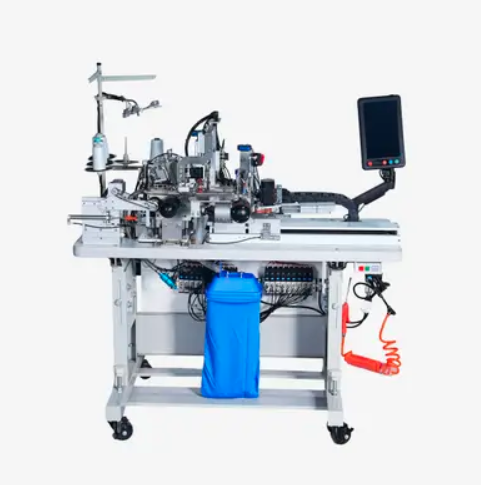
Garment manufacturing demands precision, speed, and absolute consistency. In the production of knitwear, polo shirts, and casual t-shirts, the hemming process presents a frequent operational bottleneck. Achieving clean edge alignment while maintaining stretchable seams requires advanced equipment designed specifically for mass production. Utilizing an automatic coverstitch bottom hemmer solves these key production challenges, allowing factories to streamline workflows and boost overall output significantly.
The Technical Challenges of Modern Bottom Hemming
Hemming knit fabrics and jersey materials is inherently complex due to the natural stretch and curl of the material. Traditional manual hemming relies heavily on skilled labor to fold, guide, and stitch fabric continuously. This traditional approach introduces several persistent operational drawbacks:
Uneven hem widths and distorted seam alignments
High rates of fabric waste due to manual operator errors
Slow production speed per individual worker
Increased dependency on specialized, highly paid sewing operators
Integrating a specialized hemmer sewing machine eliminates manual variance by automating fabric edge detection, folding, and thread trimming into a single, seamless cycle.
Advanced Engineering for Maximum Output
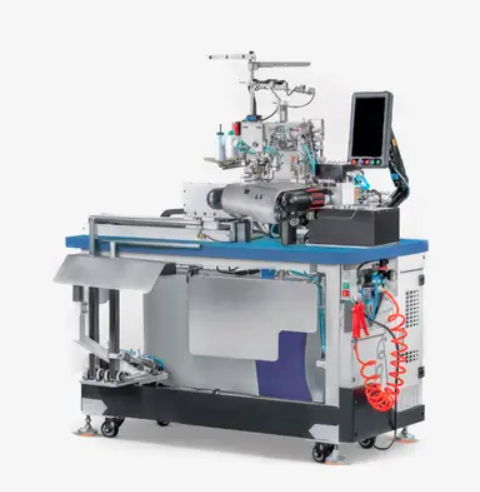
Modern industrial hemming systems are engineered with intelligent sensors and pneumatic mechanisms that take the friction out of high-volume garment production. Essential mechanical innovations include:
Automatic size identification and expansion rollers to adapt to varying garment sizes without tedious manual resetting
Edge guidance and double rectifying belts that ensure inside and outside seam directions remain perfectly aligned
Integrated seam position detection devices that locate start and end points accurately, avoiding false reads on different fabric colors
Automatic thread trimming and material stacking systems that move finished garments to collection trays cleanly
Because the guiding, sewing, trimming, and stacking occur automatically, a single operator can efficiently manage multiple machines simultaneously. This multi-machine operational workflow dramatically increases unit output while cutting overall labor overhead.
Industry Leading Quality and Precision Solutions
Selecting the proper equipment provider directly impacts plant reliability, product longevity, and return on investment. As an established leader in automated sewing technology since 2014, our manufacturing engineering focuses on high-precision, low-maintenance machinery tailored for knitwear factories, activewear brands, and industrial garment producers.
commercial benefits delivered by our equipment lineup include:
Streamlined Mechanical Architecture: Machinery is built with simplified internal components to minimize operational wear, reduce heat generation, and cut routine maintenance downtime.
Multi-Thread Stitch Versatility: Full compatibility with two-needle four-thread and three-needle five-thread interlock systems to provide flexible elasticity and seam strength.
Material Adaptability: Advanced fabric edge positioning handles light jersey, rib knits, and heavy cotton materials without fabric slipping or uneven stretching.
Comprehensive Support Services
Equipping a modern factory involves more than delivering hardware. Factory managers gain access to a dedicated support ecosystem designed to ensure smooth deployment and long-term production uptime.
- Tailored Technical Consultation: Expert assistance in matching specific machine models to your factory layout, fabric types, and targeted production volumes.
- Rapid Component Availability: Fast access to replacement parts, cutters, and rectifying belts to maintain uninterrupted manufacturing lines.
- Complete Technical Guidance: Detailed hemmer sewing machine operational documentation and setup support to help technical staff maximize machine throughput from day one.
Conclusion
Upgrading your production floor with an automatic coverstitch bottom hemmer transforms a traditionally labor-intensive task into a standardized, highly efficient automated process. By minimizing manual handling, preventing fabric misalignment, and enabling multi-machine operation, factories can reduce production costs while raising final garment quality. Investing in specialized hemmer sewing machine technology delivers the speed, precision, and operational reliability needed to stay competitive in today's fast-paced textile industry.


Comments
Post a Comment